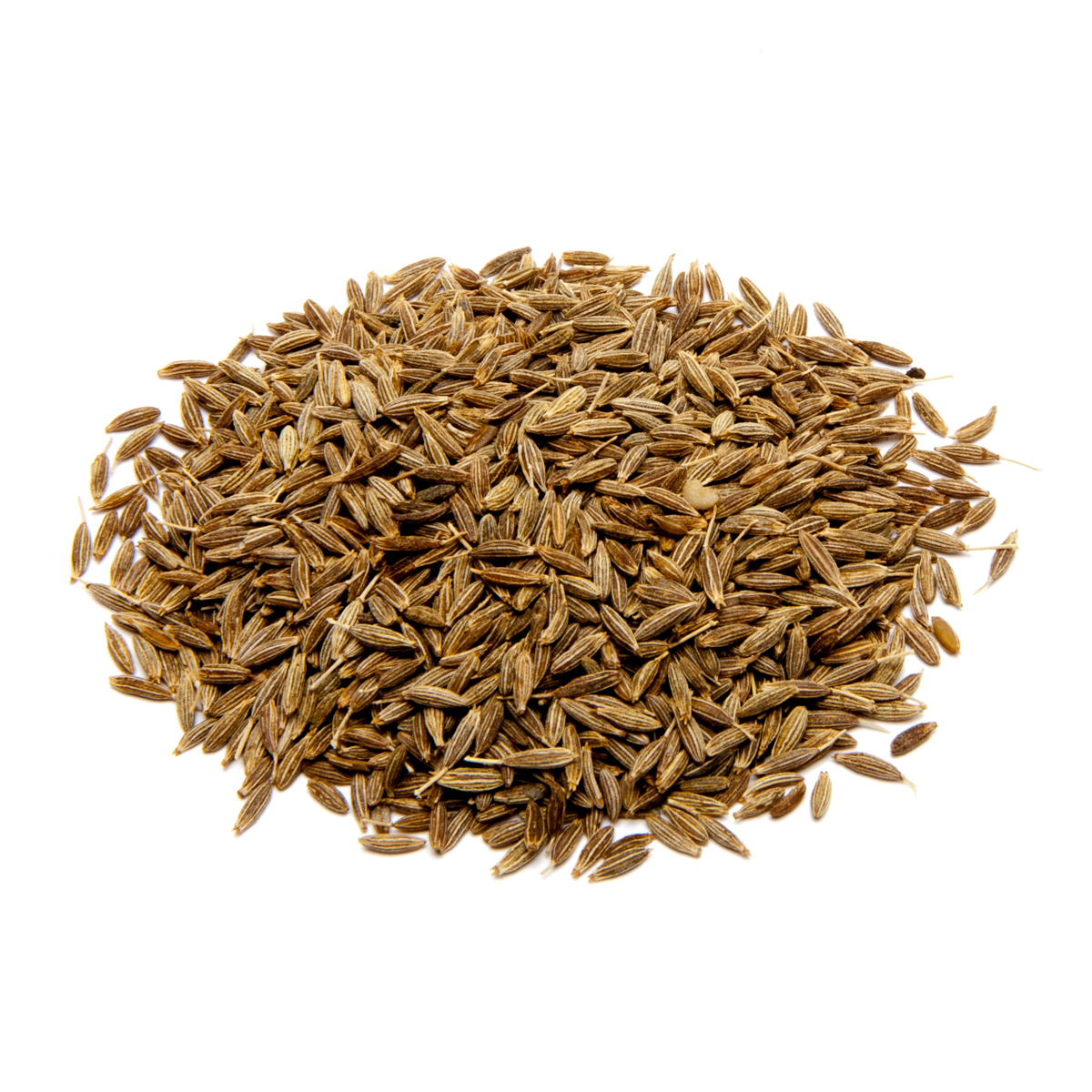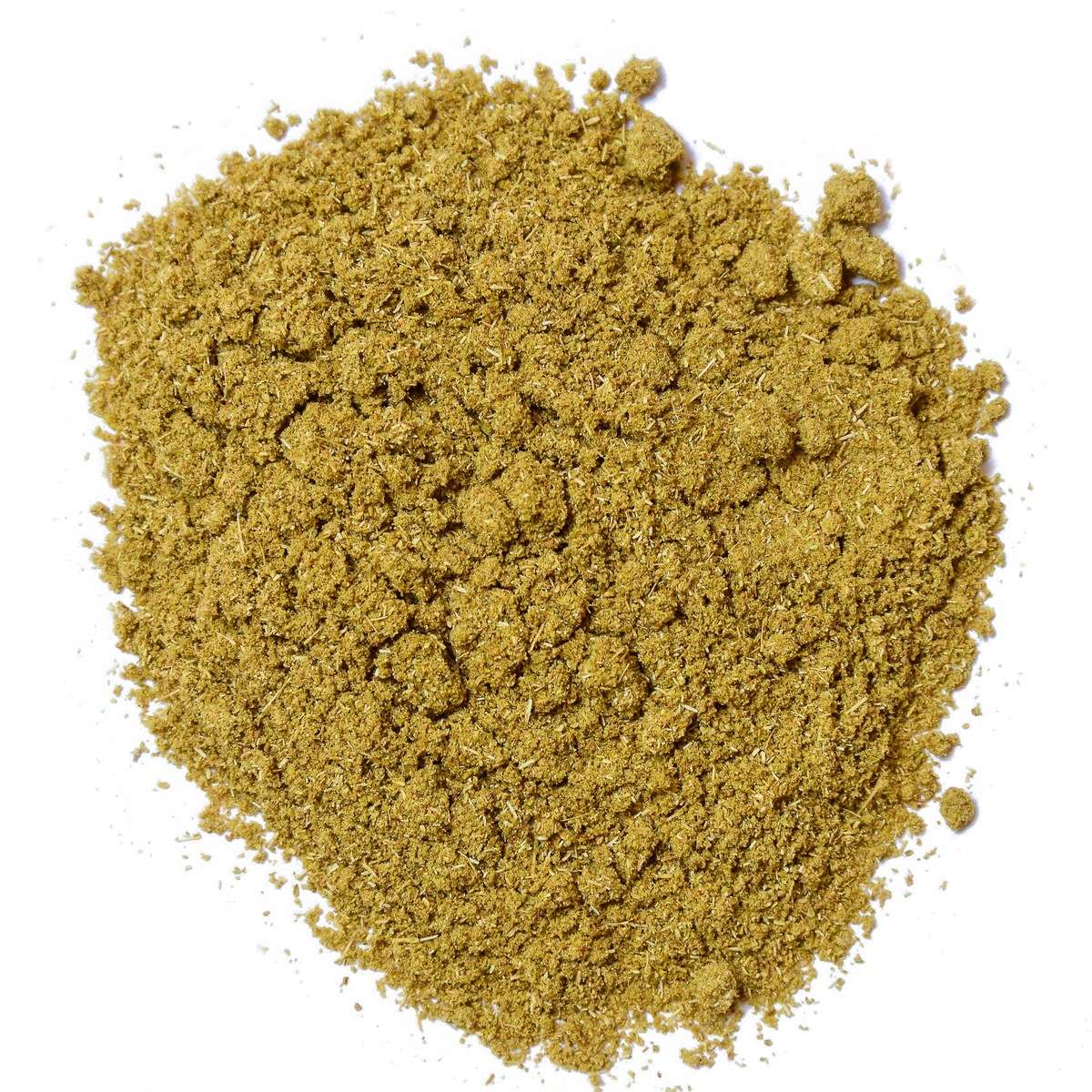
When individuals mention “coriander beans,” they are typically referring to coriander seeds. To clarify:
* Coriander Seeds:
* These are the desiccated fruits of the coriander plant (Coriandrum sativum).
* Although commonly referred to as “seeds,” they are technically classified as dry fruits.
* They possess a warm, nutty, and slightly citrus flavor.
* They can be utilized whole or ground as a spice in various global cuisines.
When individuals mention “coriander beans,” they are typically referring to coriander seeds. To clarify:
* Coriander Seeds:
* These are the desiccated fruits of the coriander plant (Coriandrum sativum).
* Although commonly referred to as “seeds,” they are technically classified as dry fruits.
* They possess a warm, nutty, and slightly citrus flavor.
* They can be utilized whole or ground as a spice in various global cuisines.
Key aspects include:
* Flavor:
* Coriander seeds present a flavor profile that is markedly different from that of fresh coriander leaves (cilantro).
* Their taste is mild, sweet, and aromatic.
* Common flavor notes include citrus and a hint of spiciness.
* Culinary Uses:
* They are essential in:
* Indian curries and spice mixtures (such as garam masala).
* Middle Eastern culinary traditions.
* Mexican dishes.
* European sausages and pickling processes.
* Additionally, they are employed in baking and to enhance the flavor of beverages.
* Distinction from Cilantro:
* It is crucial to distinguish between coriander seeds and cilantro (the fresh leaves of the coriander plant).
* They exhibit different flavor profiles.
* Cilantro is fresh and herbaceous, whereas coriander seeds are characterized by their warm and nutty taste.
Thus, when you come across the term “coriander beans,” it is important to recognize that it pertains to the dried fruit of the coriander plant, commonly known as coriander seeds.