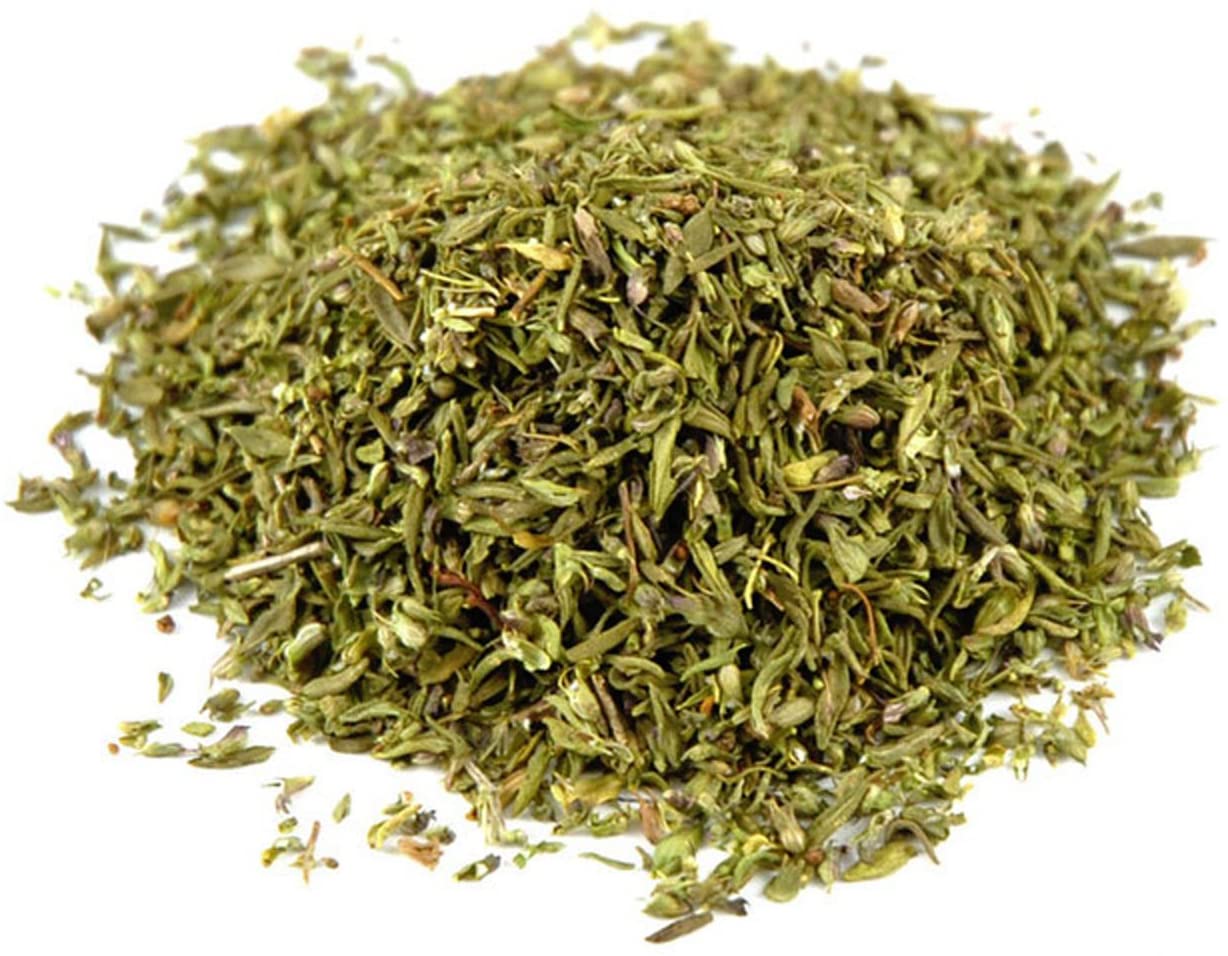
Wild Thyme
, including its wild varieties, holds considerable significance in the Faiyum region of Egypt. The following points summarize the findings:
* Presence of Thyme:
* The cultivation of thyme in Faiyum has a rich historical background, tracing back to ancient civilizations.
* This suggests that wild thyme likely flourishes in the region’s natural habitats.
* Economic Significance:
* Faiyum is recognized for its thyme production, with products marketed both locally and internationally.
* This indicates that wild thyme, in addition to cultivated types, plays a role in bolstering the local economy.
Wild Thyme
, including its wild varieties, holds considerable significance in the Faiyum region of Egypt. The following points summarize the findings:
* Presence of Thyme:
* The cultivation of thyme in Faiyum has a rich historical background, tracing back to ancient civilizations.
* This suggests that wild thyme likely flourishes in the region’s natural habitats.
* Economic Significance:
* Faiyum is recognized for its thyme production, with products marketed both locally and internationally.
* This indicates that wild thyme, in addition to cultivated types, plays a role in bolstering the local economy.
* Applications:
* Thyme serves multiple purposes:
* Culinary: It is utilized as a fragrant herb in various dishes.
* Medicinal: It is valued for its potential health benefits.
* Historical: Ancient Egyptians employed it in practices such as embalming.
* Implications of “Wild Thyme”:
* The phrase “wild thyme” implies the existence of naturally occurring varieties in the Faiyum region, separate from cultivated thyme.
* Its sale as a product suggests that it is actively harvested by the local population.
In summary, wild thyme is an integral component of Faiyum’s natural and agricultural landscape, enhancing its culinary and economic heritage.